
Luxury interior design is constantly evolving. What once defined luxury—heavy fabrics, ornate detailing, and traditional layouts—has shifted toward a more refined, personalized, and functional approach. In today’s digital age, homeowners and designers look for inspiration from platforms like a post luxuryinteriors.org blog, where modern elegance meets practical living.
If you are planning to upgrade your living space or simply want to stay ahead of design trends, understanding the latest movements in luxury interiors can help you make smarter decisions. Below, we explore the top luxury interior design trends transforming modern homes in 2026 and beyond.
1. Minimalism with a Luxurious Touch
Minimalism is no longer about empty spaces and plain white walls. Today’s luxury minimalism combines simplicity with premium materials and high-end finishes. Think marble countertops, brushed gold fixtures, custom cabinetry, and statement lighting pieces.
Instead of clutter, designers focus on quality over quantity. A single bold artwork, a handcrafted coffee table, or designer furniture can become the focal point of a room. According to insights shared in a post luxuryinteriors.org blog, the key is balance—clean layouts paired with rich textures.
2. Sustainable Luxury Design
Sustainability is now a core part of high-end interior design. Modern homeowners want eco-friendly materials without compromising style. Reclaimed wood flooring, natural stone, bamboo panels, and energy-efficient lighting systems are becoming standard in luxury homes.
Green design also includes smart insulation, large windows for natural light, and indoor plants that improve air quality. Luxury is no longer just about appearance; it’s about responsible living and long-term value.
3. Smart Home Integration
Technology plays a major role in transforming modern luxury homes. Automated lighting, climate control, voice-activated systems, and advanced security setups create a seamless living experience.
Smart mirrors, intelligent kitchens, and app-controlled entertainment systems are increasingly common. Integrating technology subtly into design ensures that the home feels modern without appearing overly technical.
Luxury today means convenience. Homeowners want comfort at the touch of a button.
4. Statement Ceilings and Walls
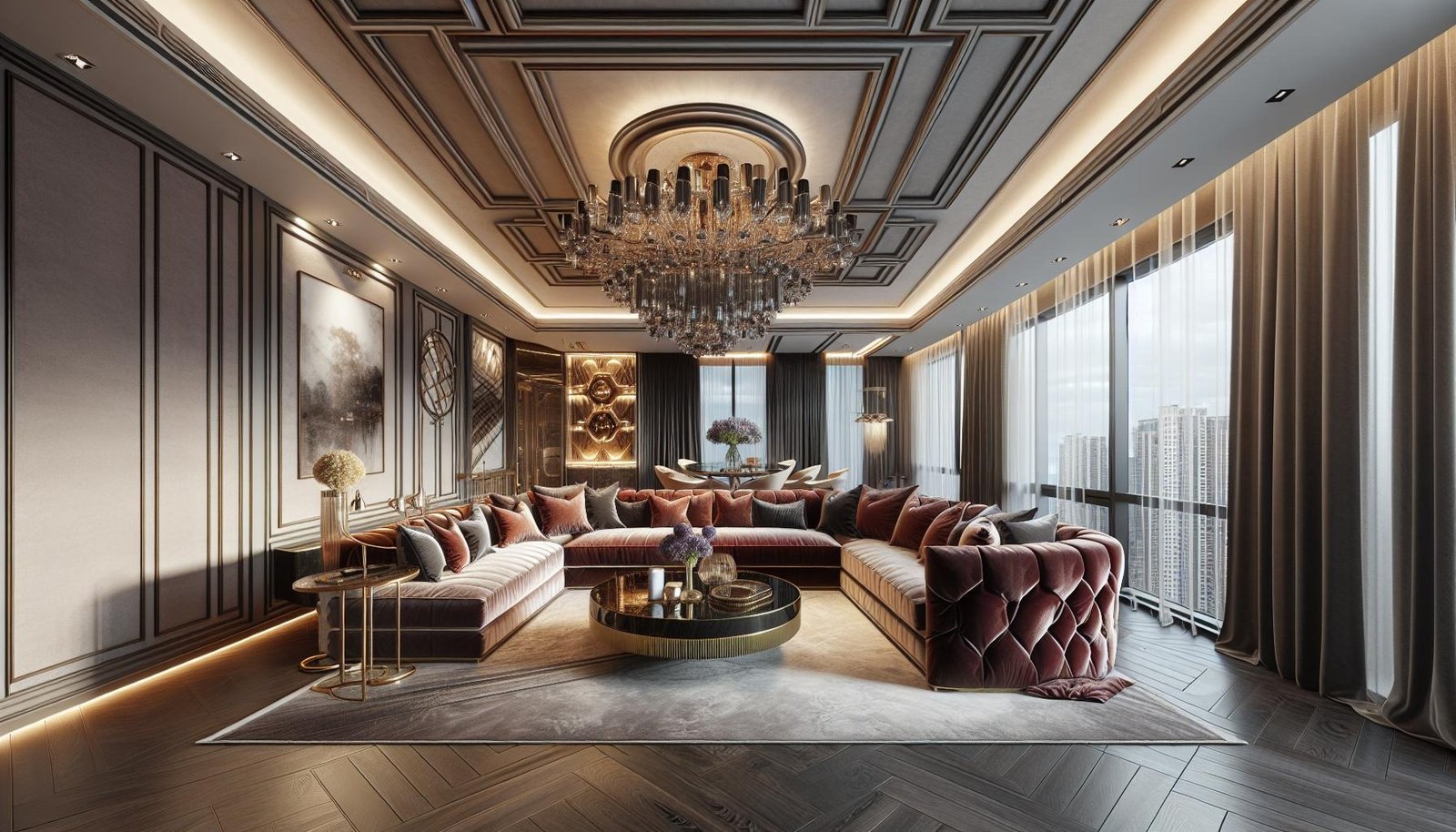
Accent walls have evolved into statement walls and ceilings. Textured finishes, decorative panels, bold wallpapers, and geometric patterns are redefining interiors.
Coordinated ceiling designs—such as wooden beams, recessed lighting patterns, or artistic paint treatments—add dimension and sophistication. These features create depth and give rooms a distinctive personality.
Interior experts featured in a post luxuryinteriors.org blog often highlight how vertical space is an untapped opportunity in many homes.
5. Open Concept with Defined Zones
Open floor plans remain popular, but homeowners now prefer subtle zoning within large spaces. Instead of fully separating rooms, designers use rugs, lighting, partitions, and furniture placement to define areas.
For example:
- A statement chandelier can define a dining area.
- A large sectional sofa can create a cozy living zone.
- Decorative screens can offer privacy without blocking light.
This approach keeps spaces airy while improving functionality.
6. Rich, Earthy Color Palettes
Neutral tones still dominate luxury interiors, but warmer shades are gaining popularity. Earthy colors like deep green, terracotta, navy blue, and warm beige bring depth and comfort to modern spaces.
Paired with metallic accents such as brass or matte black, these colors create a bold yet elegant atmosphere. Soft textures like velvet, linen, and leather further enhance the overall appeal.
7. Personalized Design Elements
Luxury is becoming more personal than ever. Custom-built furniture, tailored storage solutions, and unique décor pieces reflect the homeowner’s personality.
Instead of copying trends, many individuals prefer curated designs that tell a story. Family heirlooms, travel-inspired art, and bespoke pieces add character and authenticity.
Platforms like a post luxuryinteriors.org blog emphasize that true luxury is about individuality rather than imitation.
8. Spa-Inspired Bathrooms
Bathrooms are now designed as relaxation retreats. Large walk-in showers, freestanding bathtubs, mood lighting, and natural stone finishes transform everyday routines into spa-like experiences.
Heated floors, minimalist vanities, and smart mirrors enhance both comfort and functionality. Soft lighting combined with calming color schemes creates a peaceful environment.
9. Multi-Functional Luxury Spaces
With remote work becoming common, modern homes require versatile spaces. Home offices, reading corners, gym areas, and entertainment zones are integrated into living spaces without sacrificing elegance.
Foldable furniture, hidden storage, and modular designs make it possible to maintain a clutter-free look while maximizing usability.
10. Artistic Lighting as a Focal Point
Lighting is no longer just functional; it’s a design statement. Sculptural chandeliers, pendant lights, and LED strip installations add drama and character.
Layered lighting—combining ambient, task, and accent lighting—creates mood and depth. Designers now treat lighting as a core architectural element rather than an afterthought.
Final Thoughts
Luxury interior design is no longer defined solely by expensive materials or grand spaces. It’s about harmony, comfort, sustainability, and smart integration. Modern homes blend technology, eco-conscious choices, and personalized details to create spaces that feel both elegant and functional.
By following insights from a post luxuryinteriors.org blog, homeowners can stay informed about emerging trends while designing interiors that stand the test of time.
Whether you are renovating a single room or building a dream home from scratch, embracing these top luxury interior design trends will help transform your modern home into a sophisticated and inspiring living space.
If you’d like, I can also optimize this article further for SEO (meta description, headings structure, internal linking suggestions, and keyword density improvement).
