
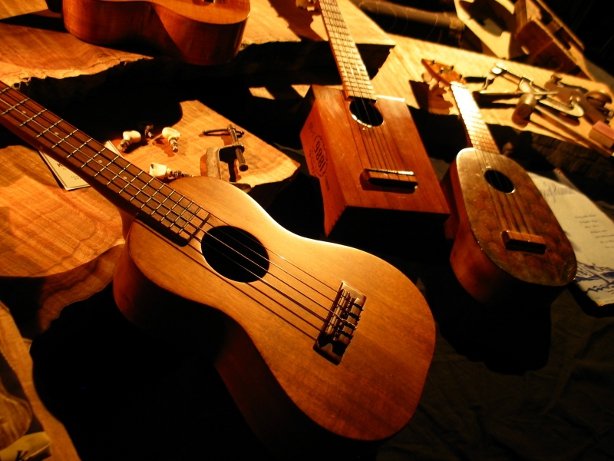
The ukulele is one of the most recognizable and beloved musical instruments in the world today. Known for its cheerful sound and small size, it has become a favorite among beginners and professional musicians alike. Although many people associate it with tropical beaches and relaxed island music, the history of the ukulele is much richer and more complex than it may seem.
This article explores the full history of ukulele, including its origins, development, global spread, and cultural importance.
The Origins of the Ukulele
The story of the ukulele begins in the late 19th century in Hawaii. However, its true roots can be traced back to Portugal.
In 1879, Portuguese immigrants from Madeira and Cape Verde arrived in Hawaii to work on sugar plantations. They brought with them small stringed instruments such as the machete, cavaquinho, and rajão. These instruments are considered the direct ancestors of the modern ukulele.
Local Hawaiian craftsmen were fascinated by these instruments and began to adapt them. Over time, they modified the size, tuning, and construction, eventually creating a new instrument—the ukulele.
Meaning of the Name “Ukulele”
The word “ukulele” comes from the Hawaiian language and is commonly translated as “jumping flea.”
There are a few explanations for this unusual name. One popular theory is that it refers to the fast movement of a player’s fingers across the strings, which resembles the quick, jumping motion of a flea. Another theory suggests that it was a nickname given to a skilled musician whose playing style was lively and energetic.
Regardless of its exact origin, the name has become iconic and is now recognized worldwide.
Royal Support and Cultural Growth
The ukulele quickly gained popularity in Hawaii, especially during the reign of King Kalākaua.
He encouraged music and dance at royal gatherings and helped promote the ukulele as a central part of Hawaiian identity.
Key Contributions of King Kalākaua
- Promoted traditional Hawaiian music
- Included ukulele performances in royal events
- Supported local musicians and instrument makers
Thanks to his influence, the ukulele became deeply embedded in Hawaiian culture.
Global Expansion in the Early 20th Century
The ukulele’s popularity spread beyond Hawaii in the early 1900s.
Panama-Pacific International Exposition (1915)
A major turning point came during the 1915 exposition in San Francisco. Hawaiian musicians performed for international audiences, introducing the ukulele to people from around the world.
The instrument’s unique sound and portability quickly captured attention.
Popularity in the United States
During the 1920s and 1930s:
- The ukulele became a popular household instrument
- It was widely used in jazz and popular music
- Many people learned to play it as a hobby
Its affordability and simplicity made it accessible to a wide audience.
Decline and Revival
Like many musical trends, the ukulele experienced periods of decline.
Mid-20th Century Decline
As larger instruments like the guitar gained popularity, the ukulele became less common. It was often seen as a novelty instrument rather than a serious musical tool.
Late 20th and 21st Century Revival
The ukulele made a strong comeback in recent decades.
Reasons for its revival include:
- Increased interest in simple, portable instruments
- Use by popular musicians
- Growth of online tutorials and social media
Artists and educators helped reintroduce the ukulele to a new generation of players.
Types of Ukuleles
Over time, the ukulele has evolved into several different types, each offering a unique sound.
Main Types
- Soprano
- The smallest and most traditional
- Bright and classic sound
- Concert
- Slightly larger
- Fuller tone and easier to play
- Tenor
- Popular among professionals
- Deeper and richer sound
- Baritone
- Largest standard ukulele
- Tuned similarly to a guitar
Each type allows musicians to choose the style and tone that best suits their needs.
The Ukulele in Modern Music
Today, the ukulele is used in many music genres, including:
- Pop
- Folk
- Indie
- Traditional Hawaiian music
Its versatility and charm make it suitable for both solo performances and group settings.
Why It’s So Popular Today
- Easy for beginners
- Lightweight and portable
- Affordable
- Produces a cheerful, relaxing sound
Social media platforms and video-sharing websites have also played a major role in its popularity, allowing musicians to share performances globally.
Cultural Significance
The ukulele holds deep cultural importance, especially in Hawaii.
In Hawaiian Culture
- Symbol of identity and tradition
- Used in celebrations and ceremonies
- Represents the blending of cultures
Worldwide Impact
Globally, the ukulele has become:
- A symbol of creativity and joy
- A tool for music education
- A bridge connecting different cultures
It continues to inspire people of all ages to explore music.
Interesting Facts About the Ukulele
- Most ukuleles have four strings
- It is one of the easiest instruments to learn
- It is often associated with happiness and relaxation
- It can be used for both simple and complex music
The Future of the Ukulele
The future of the ukulele looks bright as its popularity continues to grow.
Emerging Trends
- Digital learning platforms for beginners
- Innovative designs and materials
- Increased use in mainstream music
As more people discover the joy of playing, the ukulele is likely to remain an important part of global music culture.
Conclusion
The history of the ukulele is a fascinating journey that spans continents and cultures. From its Portuguese roots to its transformation in Hawaii, the ukulele has evolved into a globally loved instrument.
Its simplicity, beauty, and cultural significance make it much more than just a musical tool. It is a symbol of creativity, connection, and joy. Whether played on a beach, in a classroom, or on a stage, the ukulele continues to bring people together through the universal language of music.
