
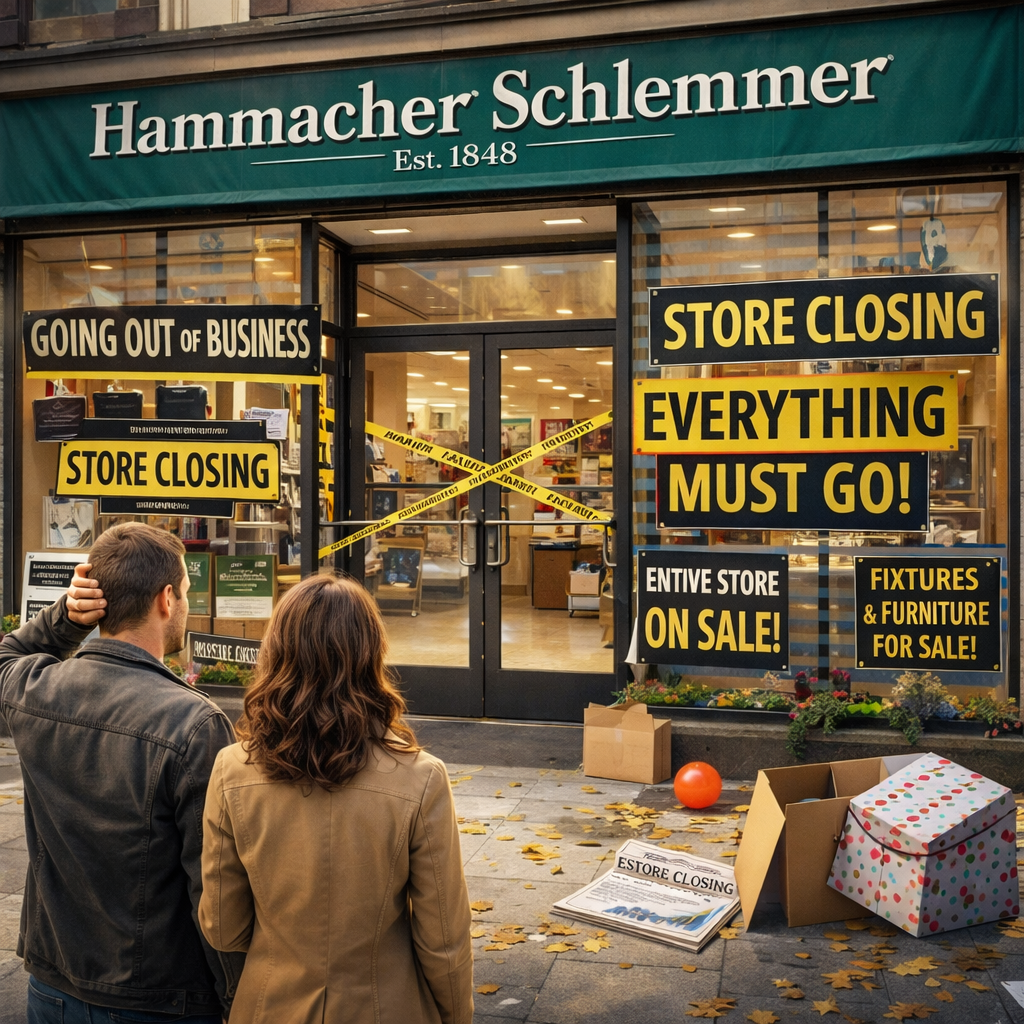
In the world of retail, rumors about companies closing or restructuring often spread quickly, especially when well-known brands face operational changes. Recently, many customers and industry observers have been asking the same question: Is Hammacher Schlemmer going out of business?
The curiosity surrounding this topic has grown due to reports about liquidation sales, layoffs, and ownership changes. As one of the oldest retail brands in the United States, any news related to Hammacher Schlemmer attracts significant public attention.
Understanding the situation requires looking beyond headlines and examining the company’s history, recent developments, and potential future direction. By exploring these factors, it becomes easier to separate speculation from verified information and understand the truth behind the retail rumors.
A Brief History of Hammacher Schlemmer
To understand why the question “Is Hammacher Schlemmer going out of business?” is generating so much interest, it is important to recognize the company’s long history. Founded in 1848, Hammacher Schlemmer started as a hardware store in New York City. Over time, it evolved into a catalog retailer known for offering innovative products and unique gadgets.
Throughout its history, the company built a reputation for selling items that were often difficult to find elsewhere. These included specialty electronics, home improvement tools, luxury gadgets, and novelty inventions. Its well-known catalog became a distinctive feature of the brand, reaching households across the United States.
For more than a century, Hammacher Schlemmer maintained a strong presence in the retail industry. The company adapted to technological changes by expanding into e-commerce and continuing its catalog tradition alongside online shopping.
Why People Are Asking If Hammacher Schlemmer Is Going Out of Business
News about store closures, liquidation events, and employee layoffs created uncertainty among customers and longtime followers of the brand.
Retail companies sometimes conduct liquidation sales when they plan to close stores, restructure operations, or clear excess inventory. When these sales occur, customers often assume that the entire brand is shutting down permanently.
In the case of Hammacher Schlemmer, several reports suggested that the company’s original operating structure was facing financial difficulties. This led to speculation that the business might be ending its long history in the retail industry.
Retail Challenges Affecting Historic Brands
The challenges faced by Hammacher Schlemmer are not unique. Many historic retail companies have struggled in recent years due to changes in consumer behavior and the rapid growth of online shopping.
Traditional catalog retailers once thrived by delivering product catalogs directly to customers’ homes. However, the rise of digital marketplaces and large e-commerce platforms has significantly changed how consumers shop.
Companies must now compete with global online retailers that offer vast product selections, competitive pricing, and fast delivery services. These shifts have forced many established brands to reconsider their business models and adapt to a more digital-focused market.
As a result, rumors about companies closing often emerge when retailers restructure their operations or adjust to evolving market conditions.
Ownership Changes and Business Restructuring
One important factor in understanding the question “Is Hammacher Schlemmer going out of business?” is the role of ownership changes. In some cases, companies that appear to be shutting down are actually undergoing restructuring or transitioning to new ownership.
When a brand is acquired by another company or investment group, its operations may temporarily pause while new strategies are developed. This process can involve closing certain stores, adjusting product lines, or reorganizing distribution systems.
For Hammacher Schlemmer, reports indicated that while the original operating company faced closure, the brand name and intellectual property could still continue under new ownership. This means that although the traditional business structure may change, the brand itself might not disappear entirely.
The Role of Brand Legacy
A key reason the question “Is Hammacher Schlemmer going out of business? With more than 170 years of history, Hammacher Schlemmer is widely recognized as one of the oldest catalog retailers in the United States.
Over decades, the company introduced innovative products ranging from unusual gadgets to luxury items designed for everyday use. Many customers associate the brand with curiosity, discovery, and unique shopping experiences.
Because of this legacy, any sign of change creates strong reactions from loyal customers who have followed the brand for years.
What Customers Should Know
For consumers, the most important aspect of the situation is understanding how these changes affect purchasing, warranties, and customer service. When a company restructures or changes ownership, policies related to past orders or warranties may also change.
Customers who have previously purchased products from Hammacher Schlemmer may need to review updated policies or contact customer service to clarify details about support and product coverage.
However, if the brand continues under new ownership, future products and services may still become available through redesigned websites or updated retail strategies.
The Future of the Brand
Although questions remain, the future of Hammacher Schlemmer may involve transformation rather than complete disappearance. Many historic retail brands have reinvented themselves by focusing on online commerce, curated product collections, and specialized markets.
If the brand continues under new management, it may adopt a more modern retail approach that emphasizes digital platforms and direct-to-consumer sales. This strategy has helped several traditional catalog companies remain relevant in the modern retail environment.
Whether through a relaunch or a redesigned business model, the legacy of Hammacher Schlemmer could continue to influence the specialty retail industry.
Conclusion
While reports of liquidation and operational shutdowns have raised concerns, the full story is more complex.
Although the original operating structure of Hammacher Schlemmer has faced significant challenges, the brand itself may continue under new ownership or through a reimagined retail strategy.
For customers and retail observers, this situation highlights how even historic brands must evolve to survive in an ever-changing marketplace. Whether through transformation or revival, the legacy of Hammacher Schlemmer remains an important part of retail history.
