
In today’s fast-paced and technology-driven world, efficient communication and real-time data access are essential across industries. One of the key tools enabling this connectivity is the mobile data terminal (MDT). Widely used in sectors such as public safety, transportation, logistics, and field services, MDTs allow users to send, receive, and manage data while on the move.
The growing demand for instant communication and digital coordination has made mobile data terminals a critical component of modern operations. This article explores the features, uses, and benefits of MDTs and their role in improving communication and efficiency.
What Is a Mobile Data Terminal?
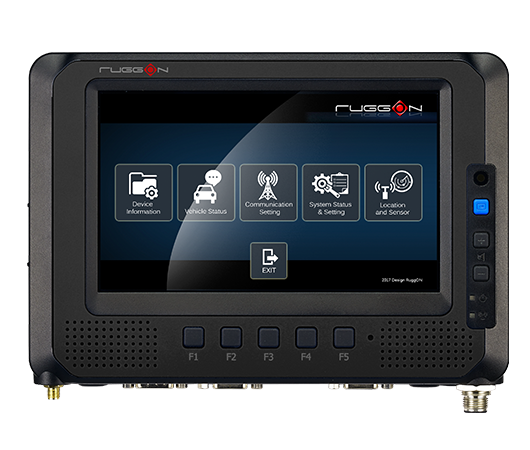
A mobile data terminal is a portable or vehicle-mounted device that enables users to access and transmit data in real time. It typically connects to wireless networks, allowing communication between field personnel and central systems.
MDTs are commonly installed in vehicles such as police cars, ambulances, delivery trucks, and service vehicles. They provide a user interface for accessing information, sending messages, and updating records without needing a fixed workstation.
These devices often include features such as touchscreens, keyboards, GPS tracking, and wireless connectivity, making them versatile tools for mobile operations.
Key Features of Mobile Data Terminals
Mobile data terminals are equipped with a range of features designed to support efficient communication and data management.
Real-Time Communication
MDTs enable instant communication between field personnel and control centers. This ensures that important information is delivered quickly and accurately.
Wireless Connectivity
These devices connect to cellular networks, Wi-Fi, or specialized communication systems.
GPS Integration
Many MDTs include GPS functionality, enabling real-time location tracking and navigation. This is particularly useful for dispatching and route optimization.
Rugged Design
Mobile data terminals are often built to withstand harsh environments. They are durable, resistant to vibration, and capable of operating in extreme temperatures.
User-Friendly Interface
Modern MDTs feature intuitive interfaces that allow users to access information quickly and efficiently. Touchscreens and simplified controls improve usability.
Uses of Mobile Data Terminals
Mobile data terminals are used across a variety of industries, each benefiting from their ability to provide real-time data access and communication.
Public Safety
Police, fire departments, and emergency medical services rely on MDTs to receive dispatch information, access databases, and communicate with headquarters. This improves response times and enhances safety.
Transportation and Logistics
In the logistics industry, MDTs are used to track shipments, manage routes, and communicate with drivers. This helps ensure timely deliveries and efficient operations.
Field Services
Technicians and service providers use MDTs to access job details, update work orders, and communicate with teams. This improves productivity and reduces delays.
Utilities and Infrastructure
Utility companies use MDTs to monitor systems, report issues, and coordinate maintenance tasks. Real-time data access helps improve service reliability.
Fleet Management
Organizations with vehicle fleets use MDTs to monitor vehicle locations, track performance, and optimize routes. This leads to better resource management and cost savings.
Benefits of Mobile Data Terminals
The adoption of mobile data terminals offers numerous advantages for organizations and individuals.
Improved Efficiency
MDTs eliminate the need for manual paperwork and reduce delays in communication.
Enhanced Communication
Real-time messaging ensures that information is shared instantly, improving coordination and decision-making.
Increased Productivity
Field personnel can access and update information without returning to a central office. This allows them to complete more tasks in less time.
Better Accuracy
Digital data entry reduces the risk of errors associated with manual processes. This improves the quality and reliability of information.
Cost Savings
By optimizing routes, reducing paperwork, and improving efficiency, MDTs help organizations lower operational costs.
Challenges and Considerations
While mobile data terminals provide many benefits, there are also challenges to consider.
Connectivity Issues
In areas with limited network coverage, maintaining a stable connection can be difficult. This may affect real-time communication.
Security Risks
Since MDTs handle sensitive data, they must be protected against cyber threats. Strong security measures are essential.
Initial Investment
The cost of purchasing and implementing MDT systems can be high. Organizations must evaluate the return on investment.
Maintenance Requirements
Regular updates and maintenance are necessary to ensure optimal performance and reliability.
Future Trends in Mobile Data Terminals
The future of mobile data terminals is shaped by advancements in technology and changing industry needs.
Integration with Advanced Networks
The adoption of faster networks will improve connectivity and enable more advanced applications.
Artificial Intelligence
AI can enhance MDT functionality by providing predictive insights, automation, and improved decision-making.
Enhanced User Interfaces
Future MDTs will feature more intuitive designs, making them easier to use and more efficient.
Increased Integration
MDTs will continue to integrate with other systems and technologies, creating more connected and efficient workflows.
Conclusion
The mobile data terminal is a powerful tool that plays a vital role in modern communication and operations. By providing real-time data access, reliable communication, and efficient workflows, MDTs help organizations improve productivity and performance.
From public safety to logistics and field services, the applications of mobile data terminals are wide-ranging and impactful. As technology continues to evolve, MDTs will become even more advanced, offering new opportunities for innovation and efficiency.
Understanding the features, uses, and benefits of mobile data terminals allows organizations to make informed decisions and leverage this technology to achieve better results in today’s digital world.
