
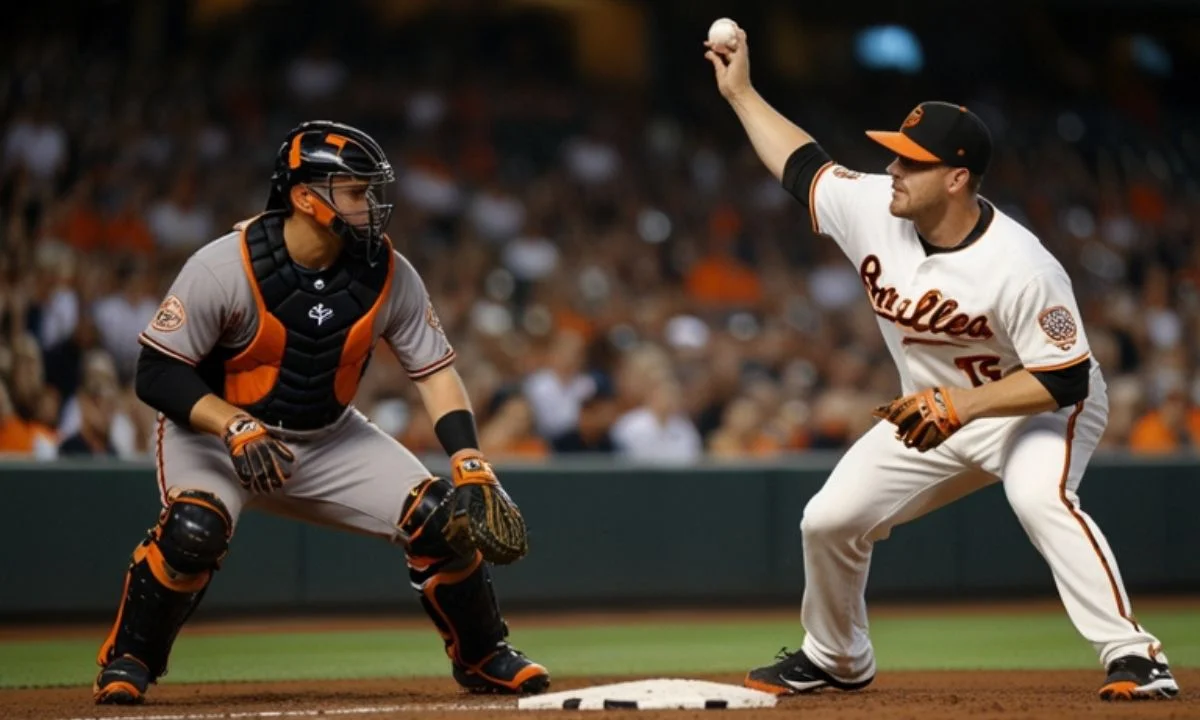
Sã³fbol, more commonly known in English as softball, is a bat-and-ball sport that has captivated players and fans around the globe. Originating in the United States in the late 19th century, it has evolved into a sport that emphasizes skill, teamwork, and strategy. With both recreational and competitive leagues thriving worldwide, sã³fbol continues to gain recognition not only as a fun pastime but also as a serious athletic endeavor.
Understanding the history, rules, and factors contributing to its global growth provides insight into why sã³fbol remains one of the most accessible and enjoyable sports today.
History of Sã³fbol
Sã³fbol has its roots in the United States in 1887, when George Hancock, a reporter from Chicago, created an indoor version of baseball to keep athletes active during the winter months. The game was initially played with a softer ball and a shorter field, making it more suitable for indoor environments.
Over the years, sã³fbol evolved into outdoor leagues with standardized rules and equipment. By the early 20th century, women’s leagues began to gain popularity, especially during World War II, when many male baseball players were drafted into military service. This period saw the rise of the All-American Girls Professional Baseball League, which further solidified the presence of sã³fbol as a competitive sport.
Internationally, sã³fbol spread to countries such as Japan, Canada, Australia, and several Latin American nations. Today, it is played at both amateur and professional levels, including collegiate leagues, international tournaments, and the Olympic Games.
Basic Rules of Sã³fbol
Although sã³fbol shares many similarities with baseball, it has distinct rules and gameplay features that make it unique:
- Field and Equipment
Sã³fbol is played on a diamond-shaped field similar to baseball but generally smaller in size. The ball is larger and softer, which makes the game more accessible for beginners and reduces the risk of injury. Players use gloves to catch the ball and a bat to hit it. - Teams and Positions
Each team typically has nine or ten players depending on the variation being played. Positions include pitcher, catcher, infielders, and outfielders. Some leagues, especially fastpitch, use an extra player for added defense. - Pitching Styles
Sã³fbol features two main types of pitching: underhand fastpitch and slowpitch. In fastpitch, the ball is thrown at high speed using an underhand motion, requiring skillful timing for both pitchers and batters. Slowpitch involves a more arched throw, making hitting easier and allowing more recreational play. - Gameplay
The objective is to score runs by hitting the ball and advancing around four bases to complete a circuit. Teams alternate between batting and fielding, with each side attempting to prevent the other from scoring. - Game Duration
Standard sã³fbol games usually last seven innings, although this can vary depending on league rules. If the game is tied, extra innings may be played to determine a winner.
Why Sã³fbol Is Growing Worldwide
Several factors contribute to the growing popularity of sã³fbol internationally:
- Accessibility
The sport requires relatively simple equipment and a smaller playing field than baseball, making it easier to set up and play in schools, parks, and community leagues. This accessibility encourages participation among children and adults alike. - Inclusivity
Sã³fbol is suitable for players of all ages and skill levels. Slowpitch variations are particularly popular in recreational leagues, where emphasis is placed on fun and social interaction rather than competition alone. Women’s leagues and co-ed teams further expand opportunities for diverse participation. - International Competitions
Global tournaments and the inclusion of sã³fbol in events such as the Olympics have increased exposure and inspired new players. Countries like Japan, Australia, and Canada have developed strong competitive programs, boosting the sport’s profile worldwide. - Health and Fitness Benefits
Sã³fbol promotes cardiovascular fitness, coordination, strength, and teamwork. Many schools and community programs encourage participation as a way to keep children and adults active and engaged in physical activity. - Community and Social Engagement
Beyond athletic development, sã³fbol fosters a sense of community. Leagues and tournaments often emphasize camaraderie, sportsmanship, and social interaction, which makes the sport enjoyable both on and off the field.
Variations of the Game
Sã³fbol has multiple formats, each suited to different levels of competition:
- Fastpitch Sã³fbol: High-speed underhand pitching, commonly played at competitive and collegiate levels.
- Slowpitch Sã³fbol: Underhand pitching with a slower arc, suitable for recreational and co-ed leagues.
- Indoor Sã³fbol: Played in gyms or indoor facilities, often with modified rules for space constraints.
- Youth Sã³fbol: Adapted for children, with smaller fields, lighter equipment, and simplified rules to develop skills and confidence.
Conclusion
Sã³fbol is more than just a recreational pastime—it is a sport that combines skill, strategy, teamwork, and inclusivity. From its origins in 19th-century Chicago to its rise as an international competitive sport, sã³fbol has demonstrated enduring appeal across generations and cultures.
With its accessible rules, engaging gameplay, and emphasis on both fitness and social interaction, the sport continues to grow worldwide. Whether played casually in local parks or competitively on the international stage, sã³fbol remains a fun and educational sport that inspires participation and community engagement.
For anyone seeking a dynamic and enjoyable sport, sã³fbol offers a perfect balance of challenge, teamwork, and lasting appeal.
