
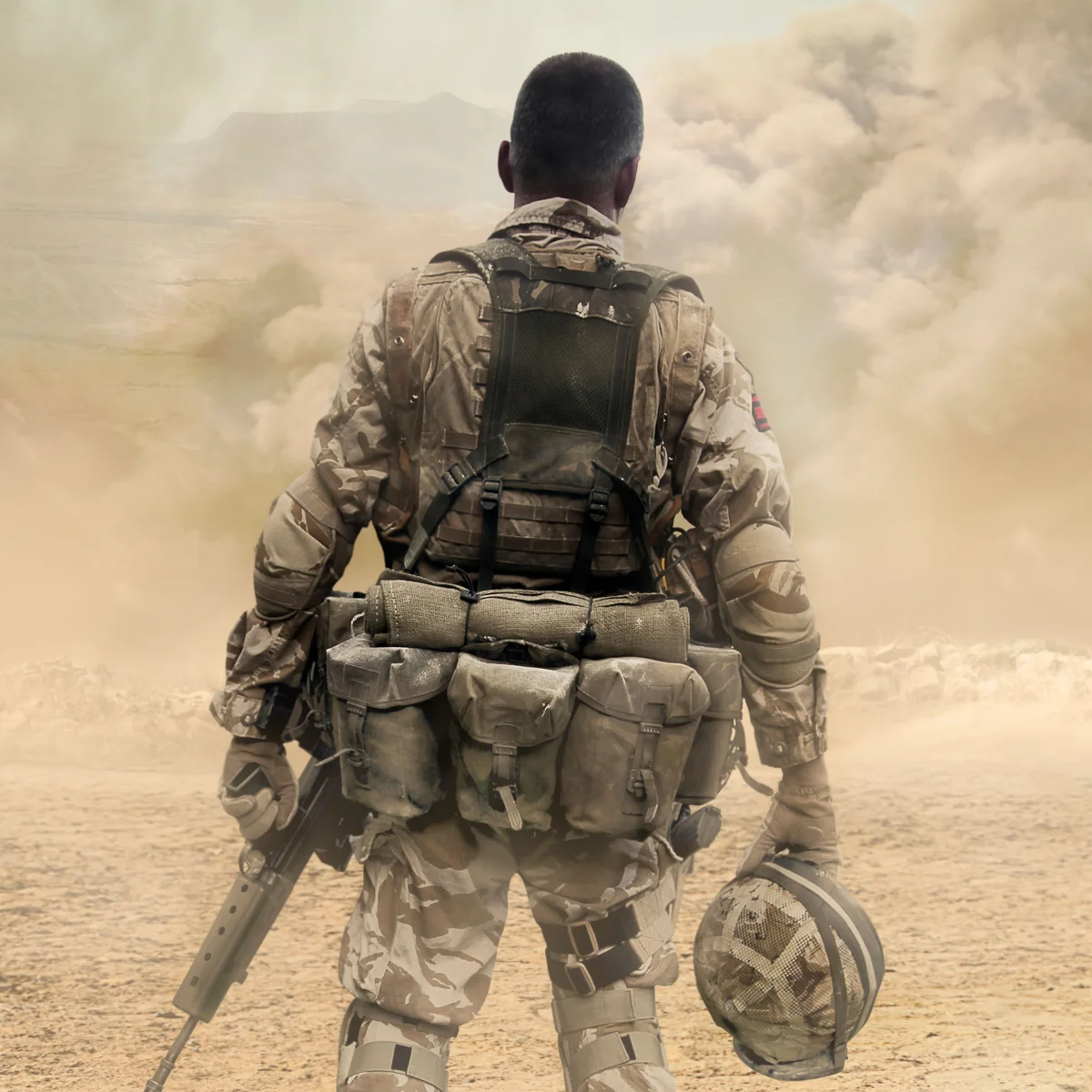
A soldier is more than just a member of the armed forces; they are individuals committed to serving and protecting their country, often placing the welfare of others above their own. Soldiers play a vital role in maintaining national security, supporting humanitarian efforts, and responding to emergencies. Their duties require discipline, physical fitness, and unwavering dedication. Understanding the role, responsibilities, and lifestyle of a soldier provides insight into the challenges and rewards associated with military service.
The Role of a Soldier
The primary role of a soldier is to defend the nation and uphold its values. This includes participating in military operations, protecting borders, and responding to threats. Soldiers also serve in various specialized capacities such as engineering, communications, medical support, intelligence, and logistics.
In addition to combat duties, soldiers often engage in peacekeeping missions, disaster relief, and community support initiatives. Their presence ensures stability, whether in domestic or international settings. Soldiers embody discipline, loyalty, and readiness, making them indispensable in times of conflict and crisis.
Key Responsibilities
A soldier’s responsibilities are diverse and can vary depending on their rank, specialization, and deployment. Some key responsibilities include:
- Training and Preparedness: Soldiers undergo rigorous physical and mental training to remain prepared for various situations, from combat to humanitarian assistance.
- Operational Duties: Soldiers carry out missions that may involve combat, surveillance, reconnaissance, or logistics. They are trained to respond effectively under pressure.
- Maintenance of Equipment: Ensuring that weapons, vehicles, and other equipment are in proper working condition is crucial for operational success.
- Discipline and Compliance: Soldiers follow a strict code of conduct and adhere to military laws, regulations, and protocols.
- Leadership and Teamwork: Soldiers often work in units where teamwork is critical. Senior soldiers are responsible for mentoring and guiding junior members.
- Humanitarian Support: Many soldiers assist in disaster relief, medical missions, and refugee support, showcasing the versatile role of the military beyond combat.
Life of a Soldier
Soldiers often face long hours, rigorous physical activity, and periods away from family. Deployments can take them to remote or dangerous locations, requiring adaptability and resilience.
However, military life also offers benefits such as structured career progression, educational opportunities, healthcare, and housing support. Soldiers gain skills that are highly transferable to civilian careers, including leadership, discipline, problem-solving, and teamwork.
The camaraderie among soldiers is another defining aspect of military life. Shared experiences, challenges, and responsibilities foster strong bonds, creating a sense of family and belonging within the unit.
Challenges Faced by Soldiers
While the role of a soldier is honorable, it comes with significant challenges:
- Physical and Mental Stress: Soldiers often face extreme physical demands and high-pressure situations, which can lead to stress, fatigue, or injury.
- Separation from Family: Deployments can take soldiers away from loved ones for extended periods, creating emotional strain.
- Risk of Harm: Soldiers face potential dangers during combat or hazardous missions, requiring constant vigilance.
- Adjustment to Civilian Life: Transitioning from military to civilian life can be difficult for some soldiers due to differences in routine, culture, and responsibilities.
The Importance of Soldiers in Society
Soldiers are essential not only for national defense but also for maintaining societal stability. They contribute to peacekeeping, disaster relief, and humanitarian efforts, often saving lives and rebuilding communities in crisis zones. Their presence deters threats and ensures that governments can function without disruption from internal or external conflicts.
Conclusion
A soldier serves as a symbol of dedication, courage, and resilience. Their roles encompass a wide range of responsibilities, from combat and training to humanitarian support and leadership. While the life of a soldier is demanding and challenging, it offers unique rewards, including skill development, camaraderie, and a sense of purpose.
Understanding the life and responsibilities of soldiers helps us appreciate their contributions to society and the sacrifices they make to ensure security, peace, and stability. Soldiers embody commitment, discipline, and honor, making them an indispensable part of any nation.
