
In scientific laboratories, precision and proper handling of materials are essential for accurate results. Among the many tools used by scientists and researchers, the watch glass is a simple yet highly versatile piece of equipment. Despite its small size and basic design, it plays an important role in various laboratory procedures.
This article explores what a watch glass is, its uses, different types, and why it remains an essential tool in laboratories around the world.
What Is a Watch Glass?
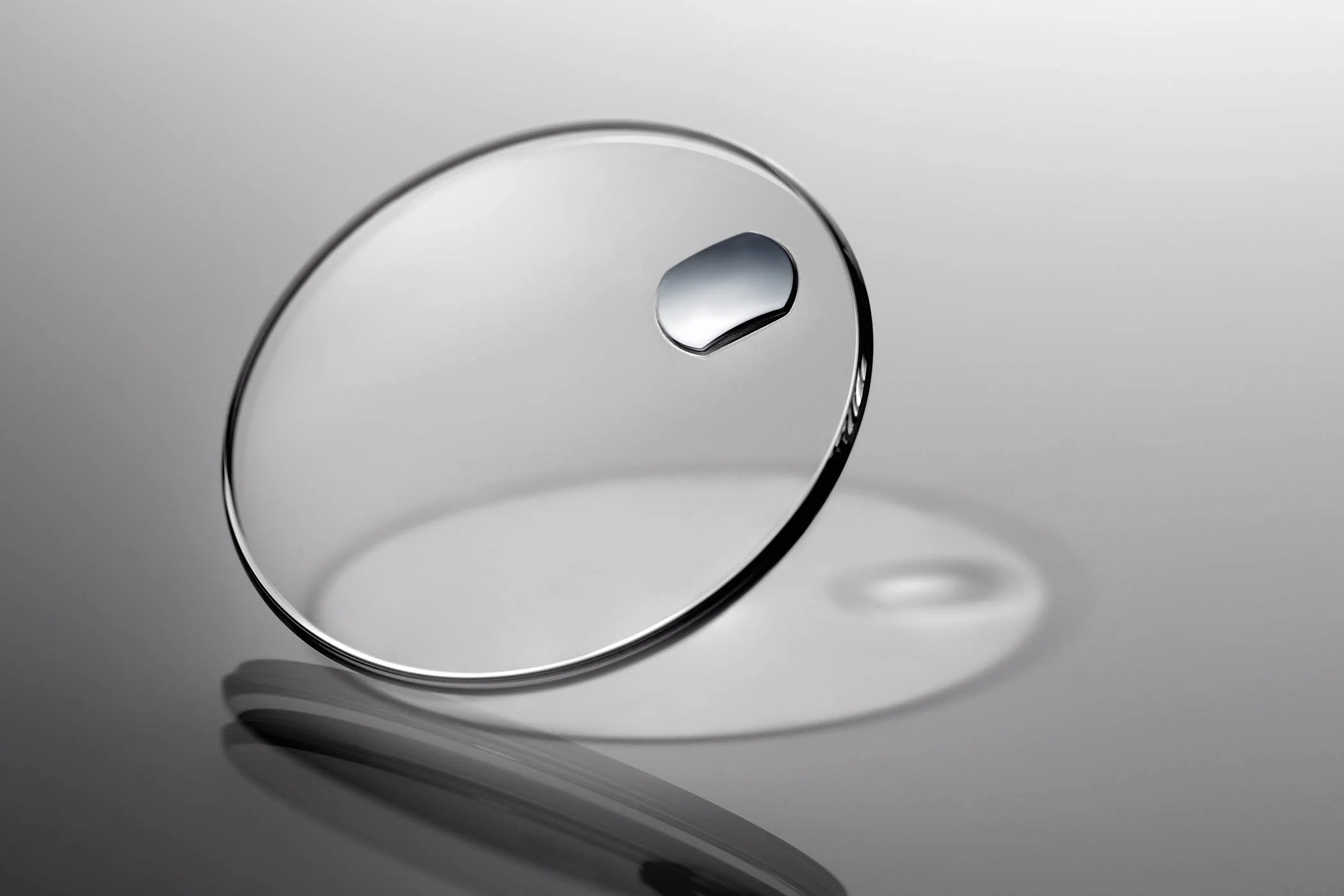
A watch glass is a circular, shallow, and slightly concave piece of glass commonly used in laboratories. It resembles the glass cover of a traditional pocket watch, which is where it gets its name.
Watch glasses are typically made from durable materials such as glass or plastic and are designed to withstand exposure to chemicals and heat. Their simple structure makes them easy to handle and suitable for a wide range of applications.
Common Uses of Watch Glass
The versatility of a watch glass makes it useful for many laboratory tasks.
Evaporation of Liquids
One of the primary uses of a watch glass is to evaporate small amounts of liquid. Scientists place a solution on the surface and allow the liquid to evaporate, leaving behind solid residues.
Holding Samples
Watch glasses are often used to hold solid samples temporarily. This is particularly useful when weighing substances or transferring materials between containers.
Covering Beakers
A watch glass can serve as a cover for beakers to prevent contamination or reduce evaporation while still allowing airflow.
Mixing Substances
Small quantities of chemicals can be mixed on a watch glass. Its smooth surface allows for easy observation and manipulation of substances.
Observation and Analysis
Because of its transparency, a watch glass is ideal for observing reactions, crystal formation, or other changes in materials.
Types of Watch Glass
Watch glasses come in different types based on material and design.
Glass Watch Glass
The most common type is made of glass, often borosilicate glass, which is resistant to heat and chemical reactions. These are widely used in chemistry laboratories.
Plastic Watch Glass
Plastic watch glasses are lightweight and less prone to breakage. They are often used in educational settings or for non-heated applications.
Disposable Watch Glass
Some watch glasses are designed for single use, particularly in situations where contamination must be avoided.
Heavy-Duty Watch Glass
These are thicker and more durable, designed for experiments involving higher temperatures or more demanding conditions.
Importance in Laboratories
The watch glass plays a significant role in laboratory work for several reasons.
Simplicity and Efficiency
Its simple design allows for quick and easy use in various tasks, making it a convenient tool for scientists.
Accuracy in Experiments
By providing a clean and controlled surface, watch glasses help ensure accurate measurements and observations.
Versatility
A single watch glass can perform multiple functions, reducing the need for additional equipment.
Cost-Effectiveness
Watch glasses are relatively inexpensive, making them accessible for laboratories of all sizes, including schools and research institutions.
Advantages of Using a Watch Glass
There are several benefits to using a watch glass in laboratory settings.
- Easy to clean and reuse (especially glass types)
- Transparent surface for clear observation
- Lightweight and easy to handle
- Compatible with a wide range of chemicals
- Useful for both small-scale and routine tasks
These advantages make watch glasses a practical choice for many laboratory applications.
Safety Considerations
While watch glasses are generally safe to use, certain precautions should be taken.
Handle with Care
Glass watch glasses can break if dropped or mishandled.
Avoid Sudden Temperature Changes
Rapid heating or cooling can cause glass to crack. It is important to use appropriate heating methods.
Use Protective Equipment
When working with chemicals, wearing gloves and safety goggles is recommended to ensure safety.
Proper Cleaning
Cleaning the watch glass thoroughly after use prevents contamination in future experiments.
Applications Beyond Laboratories
Although primarily used in scientific settings, watch glasses also have applications outside laboratories.
Educational Use
Schools use watch glasses to teach basic chemistry concepts and experiments.
Art and Craft
Their shape and transparency make them useful in certain artistic or decorative projects.
Small-Scale Food Preparation
In some cases, watch glasses may be used for presenting or preparing small food samples, though this is less common.
Future Relevance
As laboratory technology continues to evolve, the watch glass remains a fundamental tool due to its simplicity and practicality. While advanced equipment is being developed, basic tools like the watch glass continue to support essential laboratory functions.
Innovations in materials may lead to more durable and specialized versions, but the core design is unlikely to change significantly.
Conclusion
The watch glass is a small yet indispensable tool in laboratories. Its wide range of uses—from evaporation and sample holding to observation and mixing—makes it a versatile and essential piece of equipment.
With its simple design, affordability, and effectiveness, the watch glass continues to play a vital role in scientific research and education. Understanding its uses, types, and importance helps highlight why it remains a staple in laboratories worldwide.
