
A career as a veterinary technician (vet tech) is both rewarding and essential in the animal healthcare industry. Vet techs assist veterinarians in diagnosing and treating animals, making them a vital part of veterinary clinics, hospitals, and research facilities. One of the most common questions for those considering this career is about the vet tech salary.
This article provides a complete overview of average pay, factors affecting earnings, and the career outlook for veterinary technicians.
What Is a Vet Tech?
A veterinary technician is a trained professional who supports veterinarians by performing medical tests, assisting in surgeries, and caring for animals. Their role is similar to that of a nurse in human healthcare.
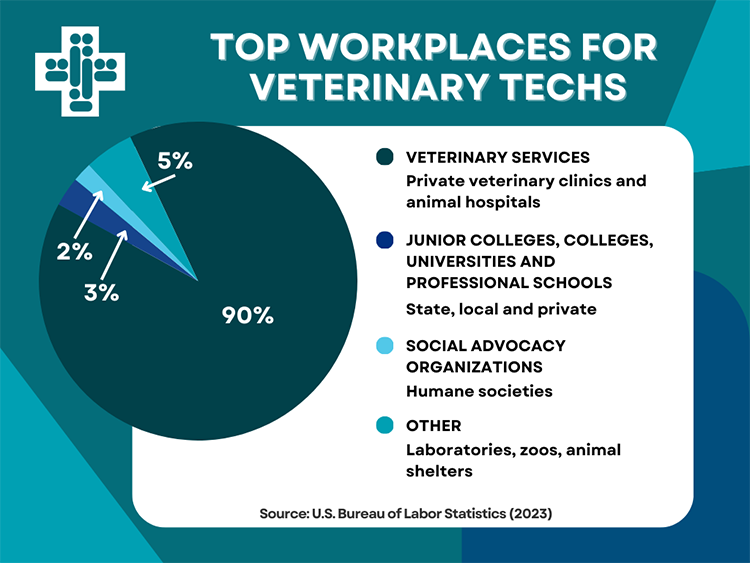
Vet techs work in various environments, including:
- Veterinary clinics and hospitals
- Animal shelters
- Zoos and wildlife centers
- Research laboratories
Average Vet Tech Salary
The average vet tech salary can vary depending on location, experience, and workplace.
- Entry-level salary: Lower range for beginners or recent graduates
- Mid-level salary: Moderate income with a few years of experience
- Experienced professionals: Higher earnings with advanced skills or certifications
In general, vet techs earn a steady income that increases over time as they gain experience and expertise.
Factors That Affect Vet Tech Salary
Several factors influence how much a veterinary technician earns.
Experience Level
Experience plays a major role in salary growth. Entry-level technicians typically earn less, while experienced professionals command higher wages.
Location
Geographic location significantly impacts salary. Vet techs in urban areas or regions with higher living costs often earn more than those in rural areas.
Workplace Setting
Different work environments offer varying pay levels.
- Private clinics may offer standard salaries
- Specialty hospitals or research labs may pay more
- Zoos or wildlife facilities may offer unique benefits
Education and Certification
Higher education and additional certifications can lead to better-paying opportunities. Specialized skills in areas like anesthesia or emergency care can increase earning potential.
Work Hours
Full-time positions, overtime, and shift work (including nights or weekends) can also affect total income.
Benefits Beyond Salary
In addition to base pay, vet techs often receive other benefits.
- Health insurance
- Paid time off
- Retirement plans
- Employee discounts on pet care
- Continuing education opportunities
These benefits can add significant value to the overall compensation package.
Career Growth and Salary Potential
The vet tech profession offers opportunities for growth and advancement.
Specialization
Technicians can specialize in areas such as:
- Emergency and critical care
- Dentistry
- Anesthesia
- Internal medicine
Specializations often lead to higher salaries.
Advancement Opportunities
Experienced vet techs may move into supervisory roles, teaching positions, or management within veterinary practices.
Further Education
Some vet techs pursue additional education to become veterinarians, which significantly increases earning potential.
Job Outlook for Vet Techs
The career outlook for veterinary technicians is positive.
Growing Demand
As pet ownership increases and animal care becomes more advanced, the demand for skilled vet techs continues to rise.
Expanding Opportunities
New opportunities are emerging in research, animal welfare, and specialized veterinary services.
Job Stability
The consistent need for animal healthcare ensures long-term job stability in this field.
Pros and Cons of the Career
Pros
- Opportunity to work with animals
- Growing job demand
- Variety of work environments
- Personal satisfaction from helping animals
Cons
- Physically demanding work
- Emotional challenges in dealing with sick or injured animals
- Moderate starting salaries
Tips to Increase Your Salary
To maximize earnings as a vet tech, consider the following:
- Gain experience through internships or entry-level roles
- Pursue certifications and specializations
- Work in high-demand locations
- Continue learning and upgrading skills
- Explore higher-paying industries like research or specialty care
Conclusion
The vet tech salary offers a stable and growing income for those passionate about animal care. While entry-level pay may be modest, experience, education, and specialization can significantly increase earning potential.
With strong job demand, diverse career opportunities, and the chance to make a meaningful impact on animal health, becoming a veterinary technician is a fulfilling and promising career choice.
