
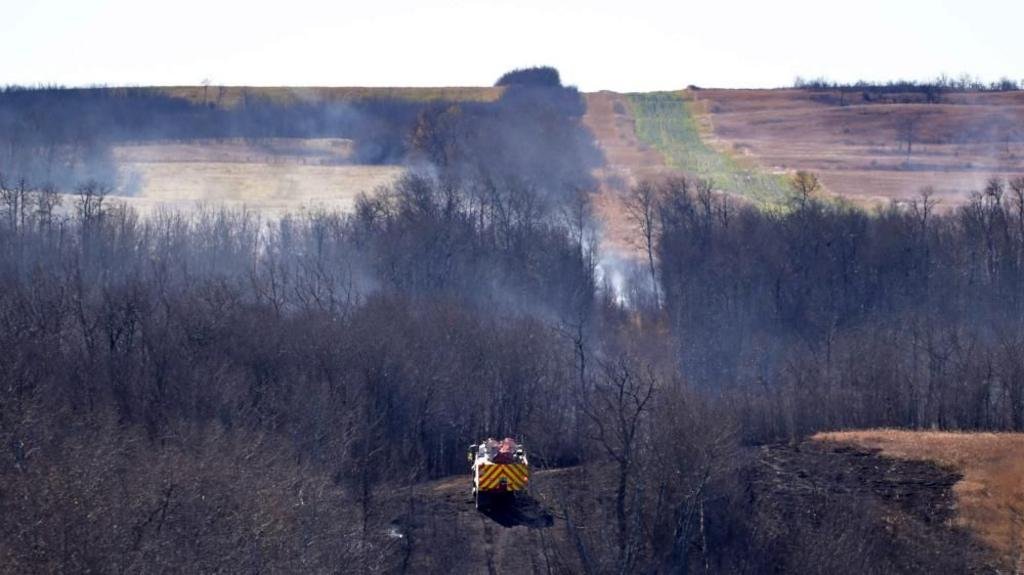
A devastating fire at a Canadian military training base in Alberta has resulted in the deaths of four Canadian Armed Forces members and left dozens of people injured. The incident occurred at Canadian Forces Base (CFB) Wainwright on October 17, 2026, during a military training exercise. The rapidly spreading blaze created an emergency response involving military personnel, firefighters, paramedics, and hospitals across the province.
The tragedy has raised serious concerns about training safety, emergency preparedness, and the challenges of conducting military exercises in extreme weather conditions. Authorities are investigating the circumstances surrounding the incident to establish what happened and determine whether additional safety measures are necessary. <Cite refs={[“turn135889news20″,”turn135889search18”]}/>
What Happened at the Canadian Military Base?
The fire broke out at CFB Wainwright, a major Canadian military training facility located in Alberta, approximately 200 kilometres east of Edmonton. The base is used for military exercises that prepare personnel for demanding operational situations.
According to reports published on October 18, the incident began during a training exercise involving members of the Canadian Armed Forces. Strong winds contributed to the rapid spread of the grass fire, making the situation increasingly dangerous for people in the training area.
The fire became a major emergency, requiring coordinated assistance from military authorities and local emergency services. Officials confirmed that the incident caused fatalities and numerous injuries, prompting a large-scale medical response. <Cite refs={[“turn135889news25″,”turn135889news26”]}/>
Casualties and Injuries
The most serious consequence of the Canada military base fire was the loss of four service members. Canadian Prime Minister Mark Carney expressed condolences to the affected families and described the incident as one of the country’s worst peacetime military tragedies on domestic soil.
Reports indicated that 39 people were hospitalized, including 19 who were in critical condition at the time of reporting. Medical teams worked across several facilities to treat the injured and provide emergency care.
The scale of the incident placed considerable pressure on regional healthcare services. Air ambulances, ground ambulances, and other emergency resources were used to transport injured personnel to hospitals in Alberta.
The deaths and injuries have deeply affected the military community, particularly colleagues, relatives, and friends of those involved in the training exercise. Support for affected families remains an important part of the response. <Cite refs={[“turn135889news20″,”turn135889news26”]}/>
What Caused the Fire?
The precise cause of the fire remains an important part of the investigation. Early media reports citing military sources suggested that a munition used during a live-fire training exercise might have ignited the grass. However, this preliminary explanation should not be treated as a final finding.
Military officials have indicated that the circumstances surrounding the fire require further examination. Investigators must establish how the blaze began, how quickly it spread, and whether weather conditions or other factors contributed to the severity of the incident.
Strong winds were a significant factor reported during the emergency. Rapid changes in wind conditions can cause grass fires to spread unpredictably, especially across dry vegetation and open terrain.
Authorities will need to determine the sequence of events before drawing conclusions about responsibility or the effectiveness of existing safety procedures. <Cite refs={[“turn135889news7″,”turn135889search18”]}/>
Investigation and Official Response
The Canadian Armed Forces and the Royal Canadian Mounted Police are among the authorities involved in examining the incident. Their work is expected to focus on the fire’s origin, the training activity underway, and the circumstances that led to the fatalities and injuries.
Investigators may also examine emergency communications, weather conditions, evacuation procedures, and the measures used to manage fire risks during military exercises. These details can help officials understand whether established procedures were followed and whether further precautions are required.
The Canadian government has expressed its condolences and emphasized support for the injured and their families. Officials have also worked with provincial and local authorities to coordinate emergency assistance.
Until investigators release verified findings, it is important to distinguish confirmed facts from preliminary reports and speculation. <Cite refs={[“turn135889search18″,”turn135889news25”]}/>
Emergency Response and Hospital Support
The fire required a substantial emergency response across Alberta. Ambulance crews and air medical teams transported injured people to hospitals capable of providing urgent treatment.
Hospitals in Edmonton and other Alberta communities received patients, while emergency teams coordinated resources to manage the sudden increase in demand. Such coordination is essential during mass-casualty incidents, when several patients may require immediate and specialized care at the same time.
The incident also demonstrated the importance of communication between military facilities, regional hospitals, police, firefighters, and provincial emergency services.
For affected families, access to accurate information and timely updates is particularly important. Authorities must balance public communication with the need to notify relatives and protect personal information during an ongoing investigation. <Cite refs={[“turn135889news20″,”turn135889news26”]}/>
Safety Concerns at Military Training Facilities
Military training exercises often involve demanding physical activities, specialized equipment, and controlled use of ammunition. Although safety procedures are designed to reduce hazards, unexpected events can still create serious risks.
The CFB Wainwright fire highlights several issues that military organizations may need to review, including fire monitoring, weather assessments, emergency evacuation plans, and communication systems.
Weather conditions deserve particular attention when exercises take place in open grassland. Strong winds can transform a manageable fire into a rapidly moving emergency, potentially leaving personnel with limited time to respond.
A thorough investigation can help determine whether existing procedures were appropriate for the conditions and whether changes could reduce the likelihood of similar incidents. Any recommendations should be based on verified evidence and the findings of the responsible authorities.
Impact on Canada and the Military Community
The deaths of four service members represent a profound loss for their families, colleagues, and the wider Canadian military community. Military personnel depend on teamwork and trust, making tragedies involving fellow service members especially difficult.
The incident has also drawn national attention to the risks faced by military personnel during training. Exercises are essential for preparing forces, but they must be supported by effective risk management and emergency planning.
Government leaders, military officials, and communities are likely to continue monitoring developments as investigators establish the facts. The findings may inform discussions about training standards, emergency readiness, and support for injured personnel.
Conclusion
The Canada military base fire at CFB Wainwright was a tragic incident that claimed four lives and left dozens injured. The blaze occurred during a military training exercise on October 17, 2026, and strong winds reportedly contributed to its rapid spread.
Investigations by the Canadian Armed Forces and the RCMP are expected to clarify the cause and circumstances of the fire. Until official findings are available, preliminary explanations should be treated cautiously.
The immediate priorities remain medical care, support for affected families, and a careful investigation. The lessons established through this process could help strengthen emergency preparedness and improve safety during future military training exercises.
